

Heat exchanger plugs for ASME-PCC2 compliance
NOTE: The sponsor of this content may contact you with more information on this topic. Click here to opt-out from sharing your email address with this sponsor. (This link will not unsubscribe you from any other BIC email list).
This article describes the importance of maintaining ASME-PCC2 compliance in heat exchanger tube plugging projects. Using an approved method, like Torq N’ Seal® mechanical tube plugs, ensures safe and reliable installation and sealing.
Torq N’ Seal® plugs are a critical component in the maintenance and safe management of heat exchangers, particularly in industries where operational efficiency and equipment integrity are paramount. Their recognition as an approved ASME PCC-2 solution underscores their reliability and performance in sealing off damaged or leaking tubes, a crucial function in maintaining the efficiency and safety of heat exchangers.
ASME PCC-2 overview
The ASME PCC-2 standard provides guidelines for the repair of pressure equipment and piping. It encompasses a range of repair techniques, including mechanical and welded repairs, and establishes criteria for the qualifications of repair organizations and personnel. ASME PCC-2 approval signifies that a product meets stringent safety, quality and performance standards required for pressure-containing systems.
The importance of tube plugging in heat exchangers
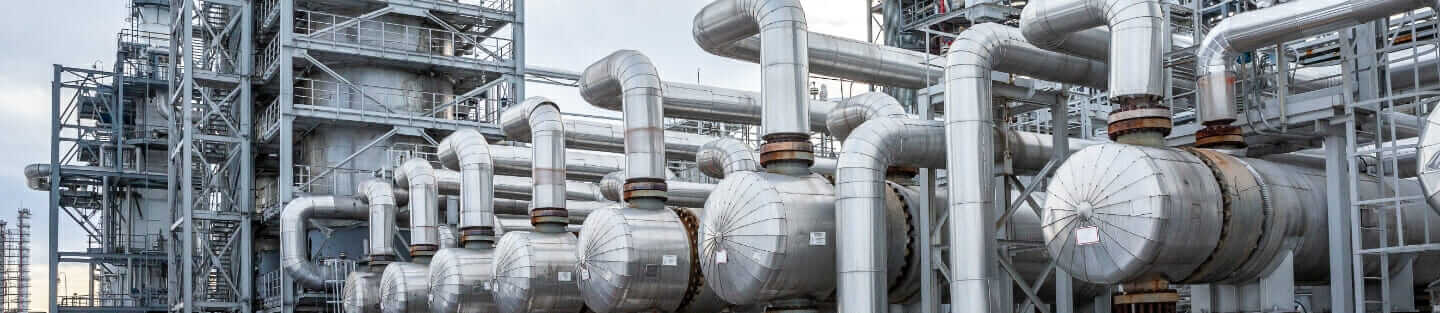
Heat exchangers are vital in various industries such as power generation, chemical processing and oil refining. Over time, tubes within these exchangers can corrode, erode, or suffer from mechanical damage, leading to leaks that compromise system performance and pose safety risks. Plugging damaged tubes is a standard practice to isolate compromised areas without shutting down the entire system, thus maintaining operational efficiency.
Torq N’ Seal® plugs: Design and functionality
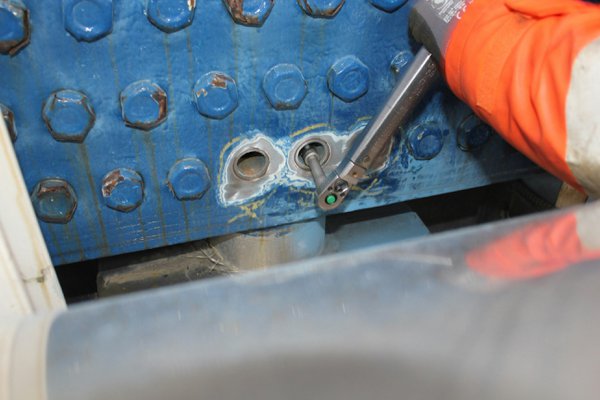
Torq N’ Seal® plugs are engineered for high-performance tube sealing. Their design includes features like:
High-pressure tolerance: Capable of withstanding significant internal pressures, making them suitable for high-stress environments
Corrosion resistance: Manufactured from materials that resist corrosion, extending the lifespan of both the plug and the exchanger
Ease of installation: Designed for quick, tool-based installation, reducing downtime during maintenance operations
Reliable sealing mechanism: Utilizes a mechanical expansion feature that ensures a tight, leak-proof seal
Why ASME PCC-2 approval matters
Being an ASME PCC-2 approved solution means that Torq N’ Seal® plugs have undergone rigorous testing and evaluation. This approval assures end-users that the plugs:
Meet high safety standards: Ensuring the plugs can perform under extreme conditions without failure
Comply with industry regulations: Facilitates easier compliance with industry and governmental safety regulations
Enhance operational reliability: Reduces the risk of unexpected failures, thus protecting equipment and personnel
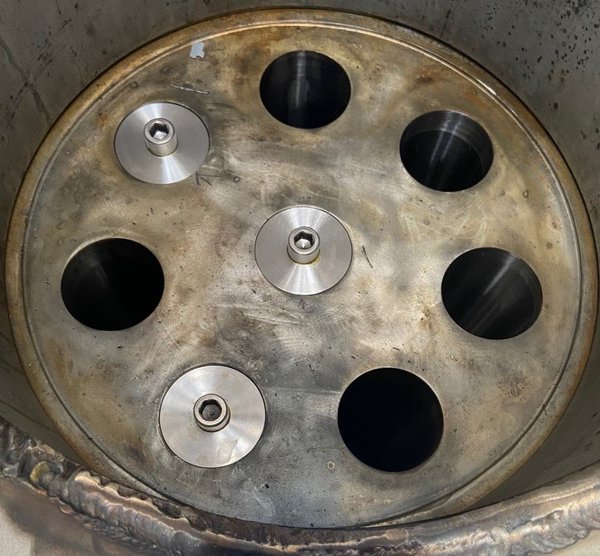
Torq N’ Seal® plugs are used extensively across industries.
Applications across industries
Power generation: In condensers and feedwater heaters to isolate leaking tubes
Petrochemical industry: For heat exchangers in refining processes
Chemical processing: To maintain the integrity of pressure vessels and heat exchangers
Marine industry: In onboard cooling systems where reliability is critical
Torq N’ Seal® plugs have proven to be an effective, reliable solution for heat exchanger tube plugging. Their ASME PCC-2 approval highlights their quality and safety, making them a preferred choice for industries that demand the highest standards in equipment maintenance and repair.
For detailed technical specifications and installation procedures, consulting the manufacturer’s guidelines and ASME PCC-2 documentation is recommended.
For more information, visit torq-n-seal.com/bic, email sales@torq-n-seal.com or call (201) 641-2130.